Français
 English
 Español
 Українська
 Deutsch
 简体中文
简体中文 Italiano
 日本語
日本語 العربية
 हिंदी
हिंदी Português
 বাংলা
বাংলা ภาษาไทย
 Tiếng Việt
 한국어
한국어 Русский
Differences between Earth and Mars

Earth
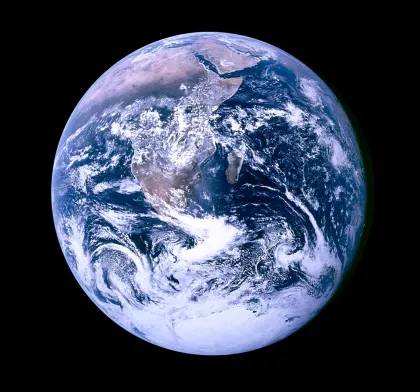
Surface area: 510,1 million km²
Diameter: 12 742 km
Average distance from the Sun: 149,6 million km
Gravity: 9,81 m/s²
Length of a day: 24 h
Length of a year: 365 days
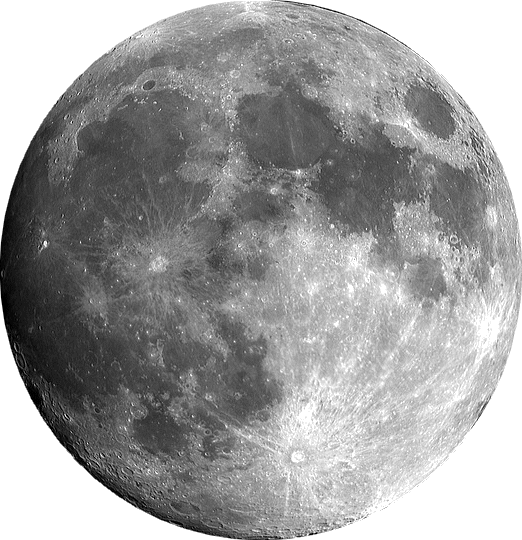
Natural satellites: 1 (the Moon)
Temperature: min -93,2 °C, max 56,7 °C, average 15 °C
Inhabitants:
8 178 705 441
Atmospheric composition: 78.087% nitrogen, 20.95% oxygen, 0.93% argon, 0.041% carbon dioxide, along with traces of other gases.
Water: Earth is the only known planet with large amounts of liquid water on its surface.
Seasons: Earth has 4 seasons thanks to the tilt of its axis (23.4°).
Special feature: it is the only known planet to harbor life.
Remarkable landform: Mount Everest, Earth’s highest point at 8,849 m above sea level.
Natural satellite
Moon
Mars
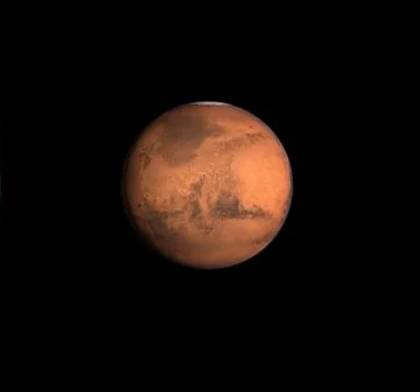
Surface area: 144 million km²
Diameter: 6 779 km
Average distance from the Sun: 227,9 million km
Gravity: 3,71 m/s²
Length of a day: 24 h 39 min 35 s
Length of a year: 687 Earth days
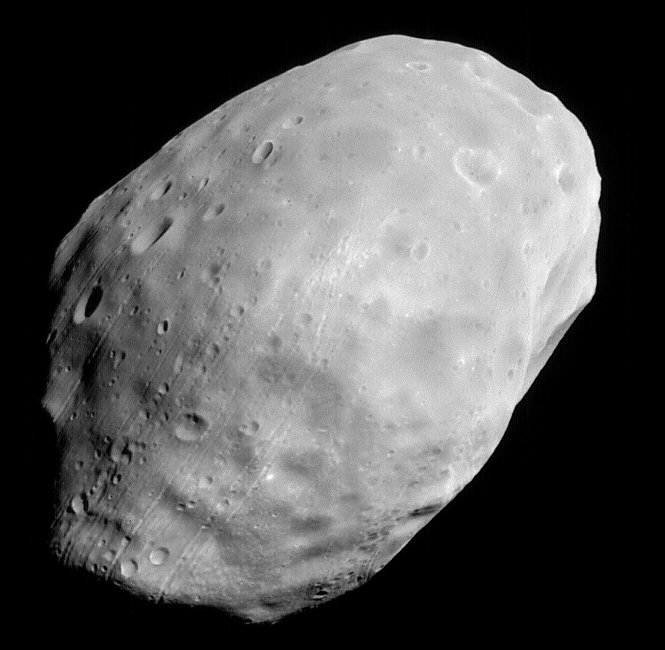
Natural satellites: 2 (Phobos and Deimos)
Temperature: min -143 °C, max 20 °C, average -63 °C
Population: 0 inhabitants
Atmospheric composition: 96% carbon dioxide, 1.9% argon, 1.9% nitrogen, with small amounts of oxygen, carbon monoxide, water vapor, and methane.
Water: Mars has water ice at its poles and beneath its surface. Evidence shows that liquid water once existed there.
Seasons: Mars also has seasons thanks to the tilt of its axis (25.2°), which is fairly close to Earth’s.
Special feature: Mars is often called the “Red Planet” because of the iron oxide in its soil.
Remarkable landform: Olympus Mons, the largest volcano in the solar system, rises to about 22 km high.
Another impressive feature: Valles Marineris, a huge canyon stretching more than 4,000 km.
Natural satellites
Phobos
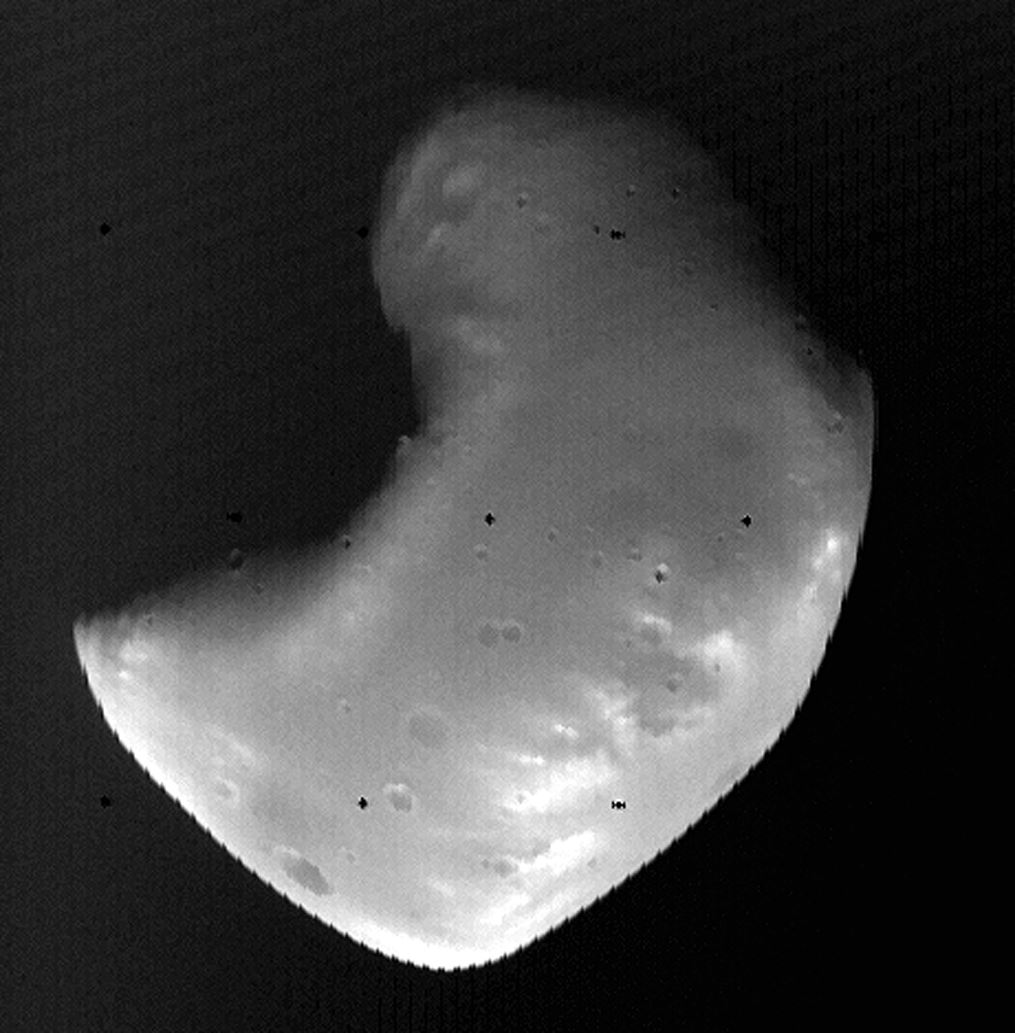
Deimos
Quick comparison between Earth and Mars
Mars is a fascinating planet because it resembles Earth in some ways. A Martian day lasts almost as long as an Earth day, and Mars also has seasons. However, it is much smaller, much colder, and its atmosphere is too thin for humans to breathe without special equipment.
Gravity on Mars is also much weaker: a person who weighs 80 kg on Earth would have an equivalent weight of about 30 kg on Mars. This is one of the reasons why Mars fascinates scientists and space exploration enthusiasts so much.
Exploration of Mars
Mars is one of the most studied planets in the solar system. Several probes, landers, and robots have been sent to observe it and analyze its surface. Among the best-known rovers are Sojourner, Spirit, Opportunity, Curiosity, and Perseverance.
Scientists are especially trying to determine whether Mars may once have hosted microscopic life when liquid water existed on its surface. This planet is also one of the main candidates for future human missions.
Video of the planet Mars


About this blog

This blog is a long-term experiment in regular publishing. It explores the real challenges of consistency and going live. ... Read
 857
857
 Get oOur best articles